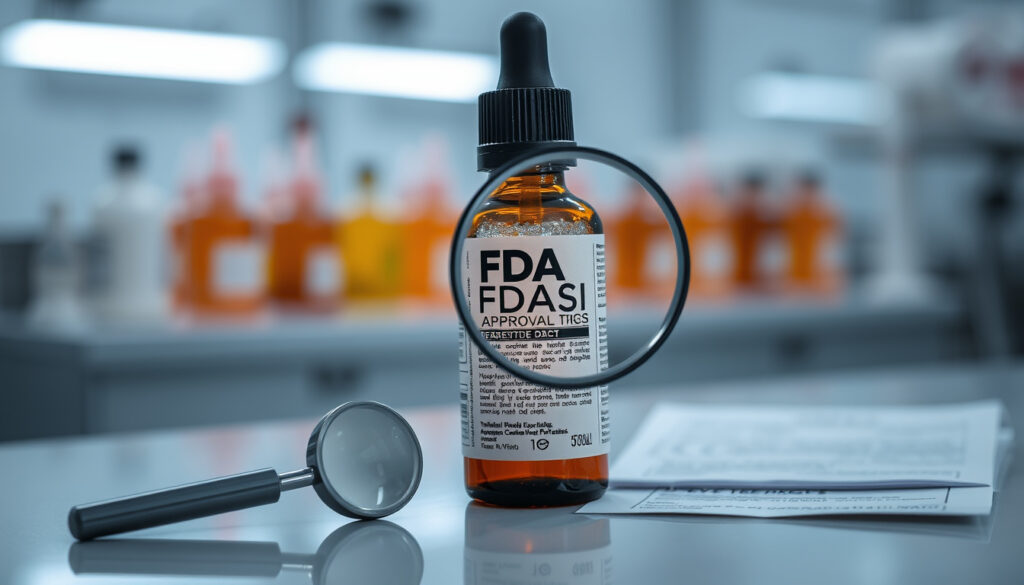
Eye Care Products Recalled: 2026 List, FDA Update & Safety Guide
You might think eye drops are one of the safest over-the-counter products you can buy, but the 2026 recall wave shows that even sterile medical products can slip through quality cracks. Over 3 million bottles have been pulled from shelves, affecting brands like Clear Eyes, Leader, and Refresh, after the U.S. Food and Drug Administration flagged a lack of sterility assurance in multiple manufacturing lines.
Number of bottles recalled: Over 3 million ·
Brands affected: At least 10 ·
Latest recall date: July 2026 ·
Primary risk: Non-sterility ·
Regulatory body: U.S. FDA
Quick snapshot
- Over 3.1 million bottles recalled in March 2026 (USA Today)
- FDA cited lack of sterility assurance for multiple brands (UC Davis Health)
- Class II recall classification on March 31, 2026 (USA Today)
- July 2026 recalls include Clear Eyes and Rohto drops (NBC News)
- Total number of illnesses linked to non-sterile drops
- Whether all recalled lots have been removed from store shelves
- Long-term supply impact on artificial tears market
- March 2026: K.C. Pharmaceuticals recall of 3.1M+ bottles (NBC New York)
- July 2026: Clear Eyes recall (39,000 bottles) and Rohto recall (~12M cartons) (NBC News)
- Ongoing: Additional store brand recalls expected (NBC New York)
- FDA continues investigation into manufacturing practices
- Consumers should check recall lists before buying eye drops
- Potential for more voluntary recalls from other manufacturers
Six key data points tell the story of the 2026 eye-drop recall, with one pattern: the FDA is cracking down on sterility failures across multiple manufacturers.
| Label | Value | Source |
|---|---|---|
| Total recalled bottles (March 2026) | Over 3.1 million | USA Today |
| Brands affected | Leader, Clear Eyes, Refresh, and others | NBC New York |
| Recall start date | March 3, 2026 | USA Today |
| Regulatory action | FDA warning and voluntary recall | UC Davis Health |
| Recall classification | Class II (March 31, 2026) | USA Today |
| Prescription recall included | Prednisolone Acetate Ophthalmic Suspension 1% | UC Davis Health |
| Excelvision-linked recall (May 2026) | Alcon Genteal Tears, Systane Night Gel, others | Sjögren’s Foundation |
| Rohto Cooling Drops recall (July 2026) | Nearly 12 million cartons | AOL/WFLA |
| Clear Eyes specific lot | Lot 2552A, exp. September 30, 2027 | NBC News |
| FDA Enforcement Report trigger | Lack of assurance of sterility | UC Davis Health |
Which brands of eye drops are being recalled?
What eye drops are being recalled in 2026?
The March 2026 recall by K.C. Pharmaceuticals covered more than 3.1 million bottles across eight product lines, including dry eye drops, artificial tears, lubricant eye drops, redness-relief drops, and soothing tears sold under store brands at CVS, Kroger, Lidl, and other retailers (NBC New York). The FDA classified the action as Class II, meaning there is a remote probability of serious adverse health consequences (USA Today).
Non-sterile eye drops can introduce bacteria into the eye, leading to infections that may cause vision loss. Even “minor” contamination is a risk when the product is applied directly to the eye.
What has Lidl recalled?
Lidl, which sells its own store-brand eye drops, was among the retailers that pulled products after the FDA alert. While the specific Lidl products are included in the list of affected store brands, consumers should check the FDA’s enforcement report for exact lot numbers (UC Davis Health).
Is Refresh eye drops recalled?
Yes, Refresh-branded lubricant eye drops were part of the March 2026 K.C. Pharmaceuticals recall. The recall applies to specific lots of Refresh Plus and other Refresh products — check the lot number on the bottle against the FDA’s list (NBC New York).
What this means: consumers should not assume a brand is safe just because it’s familiar — always verify the lot number.
Which eye drops are considered the worst for dry eyes?
What makes an eye drop bad for dry eyes?
Eye drops containing preservatives like benzalkonium chloride can worsen dry eye symptoms with frequent use, as the preservative can irritate the corneal surface. Ophthalmologists at UC Davis Health recommend preservative-free formulations for patients who use drops more than four times a day (UC Davis Health).
Are preservative-free drops better?
For chronic dry eye sufferers, yes. Preservative-free drops reduce the risk of irritation and long-term damage to the eye surface. The Sjögren’s Foundation notes that several preservative-free products were included in the Excelvision recall roundup, highlighting that even “safe” formulations can be recalled if sterility is compromised (Sjögren’s Foundation).
The trade-off: preservative-free drops cost more and have shorter shelf lives, but for daily use they are the safer choice.
Do I need to close my eyes after putting eye drops?
What should you not do after eye drops?
- Do not blink excessively — it flushes the drop out before it absorbs (UC Davis Health)
- Do not touch the dropper tip to your eye or eyelid — it can contaminate the bottle (GoodRx)
- Do not use eye drops that are discolored or cloudy
Should you put eye drops in your eyes every day?
Daily use of preservative-free artificial tears is generally safe, but you should consult an eye doctor if you need drops more than four times a day. The FDA’s recall action underscores the importance of using only drops from trusted, sterile sources (UC Davis Health).
Best practice: close your eyes for 1–2 minutes after instilling drops, and apply gentle pressure to the inner corner of the eye to improve absorption and reduce systemic side effects.
Proper technique is your first line of defense: even a sterile drop can cause irritation if applied incorrectly. And with the 2026 recalls, making sure your drop is both sterile and properly used is more important than ever.
What are the healthiest eye drops for your eyes?
Can eyesight be improved by eye drops?
No — no over-the-counter eye drop can permanently improve eyesight. Some drops temporarily reduce redness or lubricate dry eyes, but they do not correct refractive errors or underlying vision problems. For vision changes, see an eye doctor (UC Davis Health).
Which drops are gentlest?
Preservative-free artificial tears with hyaluronic acid are among the gentlest options. Avoid drops that contain vasoconstrictors (e.g., tetrahydrozoline) for daily use, as they can cause rebound redness and long-term damage. The Sjögren’s Foundation advises patients to look for products that are “preservative-free and sterile” and to check the recall list regularly (Sjögren’s Foundation).
The pattern: the healthiest drop is the one that is both preservative-free and from a manufacturer with a clean sterility record.
What vitamin are you lacking if you have blurry vision?
Can blurry vision go back to normal?
If blurry vision is caused by a vitamin deficiency — most commonly vitamin A — it can often improve with supplementation. Vitamin A deficiency is rare in developed countries but can occur in people with malabsorption disorders or very restrictive diets (GoodRx).
What other causes of blurry vision?
- Vitamin B12 and omega-3 fatty acids also play a role in eye health
- Dry eye syndrome can cause temporary blurriness — often relieved by artificial tears
- Refractive errors, cataracts, and glaucoma are more common causes that require an eye exam
If you experience persistent blurry vision, do not rely on supplements alone — see an eye care professional for a proper diagnosis.
Timeline of eye drop recalls
- October 2023: FDA issues warning against certain eye drops from multiple major brands
- March 3, 2026: K.C. Pharmaceuticals initiates voluntary recall of >3.1 million bottles (USA Today)
- March 31, 2026: FDA classifies recall as Class II
- May 2026: Excelvision-linked recall of Alcon and Systane products (Sjögren’s Foundation)
- July 29, 2026: Clear Eyes Maximum Itchy Relief recall (39,060 bottles, lot 2552A) (NBC News)
- July 2026: Rohto Cooling Eye Drops recall (~12 million cartons) (AOL/WFLA)
- 2026 (ongoing): Additional store brand recalls expected
Clarity section
Confirmed facts
- FDA issued recalls for specific lots due to sterility concerns (UC Davis Health)
- Over 3 million bottles affected (USA Today)
- Lidl and other retailers pulled products (NBC New York)
- Clear Eyes recall includes specific lot 2552A (NBC News)
What’s unclear
- Total number of illnesses reported from non-sterile drops
- Whether all recalled batches have been removed from shelves
- Long-term supply impact on artificial tears market
Quotes from experts
“Consumers should not purchase or use certain eye drops due to lack of sterility assurance. The FDA is working with manufacturers to remove affected products from the market.”
— FDA statement, as reported by UC Davis Health
“Non-sterile eye drops can introduce bacteria into the eye, leading to infections that may cause vision loss. Even a small contamination is serious when the product is applied directly to the eye.”
— UC Davis Health ophthalmologist, UC Davis Health
“Check your medicine cabinet against the recall list. If you find a recalled product, stop using it immediately and return it to the store for a refund.”
— GoodRx pharmacist, GoodRx
Summary
The 2026 eye-drop recall wave is more than a blip on the FDA radar — it’s a signal that the OTC sterile manufacturing process needs tighter oversight. For consumers, the choice is clear: check your drops against the recall list, switch to preservative-free artificial tears if you use them daily, and never assume a brand is safe just because you’ve used it for years. Your eye health depends on a few minutes of proactive checking.
eyedropsafety.org, theconversation.com, glance.eyesoneyecare.com, branhamfamilyeyecare.com, theguardian.com
Frequently asked questions
Why were the eye drops recalled?
Due to a lack of assurance of sterility — the FDA found that the manufacturing process did not guarantee the drops were free from microbial contamination.
How can I check if my eye drops are recalled?
Look up the lot number on the bottle against the FDA’s enforcement report or check the recall list on the manufacturer’s website.
What should I do if I have recalled eye drops?
Stop using them immediately. Return the product to the store for a refund, or dispose of it according to pharmacy guidelines.
Are all recalled eye drops from 2026?
The major recalls began in early 2026 and have continued through the year. However, the FDA had issued warnings as early as October 2023 about certain eye drops.
Is it safe to use eye drops that are not on the recall list?
Generally yes, but it’s wise to check the manufacturer’s sterility record and choose preservative-free drops for daily use.
Which stores sold the recalled eye drops?
CVS, Kroger, Lidl, Walgreens, and other retailers that carry store-brand eye drops manufactured by K.C. Pharmaceuticals.
How do I know if my eye drops are sterile?
Look for the sterility assurance statement on the label. If the product has been recalled, it’s assumed to be non-sterile.
Will I get a refund for recalled eye drops?
Yes, most retailers are offering refunds for recalled products. Contact the store where you purchased them.
More related posts
 Home Insurance Quotes Ireland 2025: Compare Prices
 Cherry Cola Hair Color Guide: Best Shades for Every Skin Tone
 Virgin Media 1 TV Guide: Channel Number & Schedule
 Compare Travel Insurance Ireland: Quotes & Reviews
 Dara Calleary Welfare Payment Delay and Budget 2026: Key Changes
 Ireland vs Hungary Tickets – Availability and Buying Guide
 Stand by Me Cast – Then and Now, Ages and Careers
 Galway to Cliffs of Moher: How to Get There, Tours, Tips & FAQs
