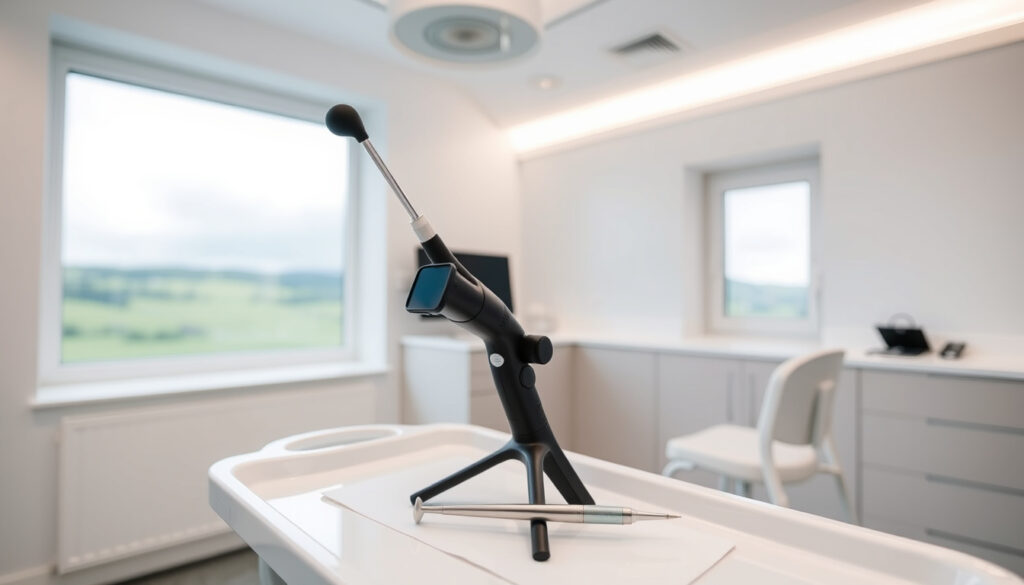
Micro Suction Near Me: Cost, Safety & Aftercare in Ireland
A blocked ear can make the simplest things—talking on the phone, lying down at night, or even hearing your own footsteps—suddenly feel muffled and frustrating, which is why if you are in Ireland and searching for “micro suction near me”, you are probably hoping for a safe, quick fix. This piece compares costs, safety, and what to expect from the procedure, so you can book with confidence.
Average cost of microsuction in Ireland: €65 (Specsavers) ·
Free ear wax removal for over 60s: Available at Hidden Hearing ·
Microsuction is the safest method: According to Hidden Hearing ·
Number of clinics offering microsuction in Dublin: At least 9 (O’Grady’s Hearing)
Quick snapshot
- Microsuction is safer than ear irrigation (syringing) because it reduces infection and eardrum risk. (HSE (Irish health service))
- Specsavers Ireland charges €65 for one or both ears. (Specsavers Ireland (optician and hearing provider))
- Hidden Hearing Ireland offers free wax removal for patients over 60. (Hidden Hearing Ireland (audiology clinic))
- Long-term effects of repeated microsuction have not been studied in large trials. (No major study found) (O’Grady’s Hearing (hearing aid retailer))
- The exact number of clinics in Ireland offering microsuction is not centrally published. (O’Grady’s Hearing (hearing aid retailer))
- Whether microsuction is entirely painless for all patients (HSE describes it as ‘usually painless’). (O’Grady’s Hearing (hearing aid retailer))
- The specific number of microsuction providers in rural Ireland compared to urban centers. (O’Grady’s Hearing (hearing aid retailer))
- A typical microsuction appointment lasts about 20 minutes. (Ear Health Cork (audiology clinic))
- Patients often report improved hearing immediately after the procedure. (Specsavers Ireland) (Ear Health Cork (audiology clinic))
Here is a quick overview of the typical costs, duration, and safety of microsuction in Ireland.
| Label | Value |
|---|---|
| Cost range | €50 – €80 per session |
| Duration | 15-30 minutes |
| Safety rating | Very low risk when performed by professional |
| Common aftercare | Avoid water in ears for 24 hours |
Is micro suction better than syringing?
What is syringing?
Syringing (ear irrigation) involves flushing the ear canal with water. The HSE says a GP may use this method to remove earwax, but the technique is used less often today because of infection risks. (HSE (Irish health service guidance))
How does microsuction compare in safety?
Which method is more painful?
According to the HSE, both microsuction and ear irrigation are described as “usually painless”. Some patients find microsuction more comfortable because it avoids the sensation of water in the ear. (HSE)
Can you go deaf from microsuction?
What are the risks of microsuction?
When performed by a trained audiologist or nurse, microsuction carries very low risk. A 2024 paper indexed on PubMed reported that microsuction can occasionally trigger delayed fainting or vertigo episodes, but serious complications are rare. (PubMed (peer-reviewed medical research))
Is permanent hearing loss possible?
What precautions do audiologists take?
Clinics like Hidden Hearing use video otoscopy to see the ear canal clearly before and during removal. This visual guidance helps avoid touching the eardrum. (Hidden Hearing Ireland)
What not to do after ear microsuction?
Can I swim after microsuction?
No. Avoid getting water in your ears for at least 24 to 48 hours after the procedure. The HSE recommends protecting the ear canal during showers and baths. (HSE)
Should I use ear drops?
How soon can I use headphones?
Over‑ear headphones are fine as long as they are clean, but avoid in‑ear buds for 24 hours to reduce pressure on the ear canal. Follow the specific aftercare instructions your clinic provides.
How to tell if your ears are full of earwax?
What are common symptoms of earwax buildup?
The HSE lists earache, muffled hearing, tinnitus (ringing in the ears), and dizziness as typical signs. If you feel a blockage that doesn’t improve with warm oil drops, it’s time to see a professional. (HSE)
When should I seek professional removal?
Can I check at home?
You cannot reliably see your own ear canal. A quick cam‑based ear scope might be tempting, but only a trained clinician can tell if wax is blocking the eardrum. The HSE advises leaving diagnosis to a professional.
How long does it take for ears to settle after microsuction?
Will I feel immediate relief?
Most patients notice an instant improvement in hearing once the wax is removed. Specsavers Ireland reports that the majority leave the appointment with clear, comfortable ears. (Specsavers Ireland)
What side effects are normal?
When can I resume normal activities?
You can return to work and daily life immediately, but keep water out of your ears for 24 hours. Full recovery is typical within one day.
Four methods, one pattern: microsuction vs. syringing vs. ear drops vs. DIY—each has a distinct price, safety profile, and outcome.
| Method | Typical cost (Ireland) | Pain level | Risk of complications |
|---|---|---|---|
| Microsuction | €50 – €100 | Minimal (usually painless) | Very low |
| Ear irrigation (syringing) | €30 – €70 | Usually painless | Moderate (infection, perforation) |
| Ear drops (over‑the‑counter) | €5 – €15 | None | Low (ineffective for hard wax) |
| DIY cotton buds | Free | Pain if too deep | High (wax impaction, injuries) |
Upsides
- Safer for eardrum and ear canal than syringing
- Quick procedure (15–30 minutes)
- Immediate improvement in hearing
- No water involved, so reduces infection risk
- Available from multiple clinics across Ireland
Downsides
- Higher cost than syringing or ear drops
- Not always covered by health insurance
- Requires appointment and travel
- Can trigger temporary dizziness or vertigo in some patients
- Limited availability in some rural areas
Steps to get microsuction earwax removal in Ireland
- Find a provider: Search for “microsuction near me” online. Options include Specsavers, Hidden Hearing, Walker Hearing Clinics, Concept Hearing, Blackberry Hearing, and local audiology centres in Cork, Dublin, and Galway. (Specsavers Ireland)
- Check pricing and booking: Compare prices—most clinics charge €55–€100. Some, like Hidden Hearing, offer free removal for patients over 60. No GP referral is needed. (Hidden Hearing Ireland)
- Attend your appointment: The audiologist will examine your ears with an otoscope, then gently remove wax using a micro‑suction device. The procedure typically takes 20 minutes. (Ear Health Cork)
- Follow aftercare advice: Keep your ears dry for 24 hours, avoid inserting anything into the canal, and monitor for unusual symptoms like severe pain or discharge. (HSE)
- Repeat if needed: For chronic wax buildup, schedule follow‑ups every 6–12 months, depending on your ear health.
What we know and what’s unclear
Confirmed facts
- Microsuction is safer than syringing (HSE)
- Specsavers charges €65 for removal
- Hidden Hearing offers free removal for over‑60s
- The procedure lasts about 20 minutes
What’s unclear
- Long-term effects of repeated microsuction (no large studies)
- Exact number of clinics in Ireland (not centrally published)
- Whether microsuction is entirely painless for all patients
- The exact long-term cost implications of choosing microsuction over other methods for recurring wax buildup
“Our wax consultation includes an ear health discussion, screening, removal via video otoscopy, and advice—all in one visit.”
— Audiologist from Hidden Hearing Ireland
“Microsuction is a professional, safe earwax removal service. We rate it high effectiveness and high safety.”
— Specsavers Ireland
For anyone in Ireland with blocked ears, microsuction offers a reliable and low‑risk option, but the price varies by clinic. Older patients and those on a budget can benefit from clinics like Hidden Hearing that waive fees. Everyone else should expect to pay between €55 and €100 for both ears—a worthwhile investment for preserving long‑term hearing health.
For related health product safety information, see our guide on Eye Care Products Recalled: Complete FDA List for 2026. Also check Eye Drop Recall 2026: Brands, List, and Safe Alternatives.
irelandperspective.org, blackberryhearing.com, kingsbridgeprivatehospital.com, goreymed.ie, concepthearing.ie
Frequently asked questions
Does microsuction hurt?
Most people report little or no discomfort. The HSE describes both microsuction and ear irrigation as “usually painless”. Some patients feel a slight tugging or buzzing sensation.
How often should I get earwax removed?
It depends on your natural wax production. People who produce excess wax may need microsuction every 6 to 12 months. Your audiologist can advise based on the health of your ear canal.
Can I wear hearing aids after microsuction?
Yes, but wait at least a few hours before reinserting hearing aids to allow the ear canal to settle. Clean the aids before use to avoid pushing any residual debris deeper.
Is microsuction covered by health insurance in Ireland?
Most private health insurers do not specifically cover routine earwax removal, but it is worth checking your policy. Some clinic fees may be reimbursed under outpatient benefits if a referral is obtained.
What is the difference between microsuction and ear irrigation?
Microsuction uses a tiny vacuum with direct vision, while ear irrigation flushes the ear with water. Microsuction is considered safer because there is no fluid that can carry infection or damage the eardrum.
How do I find a qualified microsuction provider near me?
Search for “microsuction near me” or check the websites of audiology clinics such as Specsavers, Hidden Hearing, Walker Hearing Clinics, Concept Hearing, and Blackberry Hearing. Look for practitioners who are members of the Irish Society of Hearing Aid Audiologists (ISHAA).
Can microsuction cause tinnitus?
Temporary tinnitus (ringing in the ears) can occur after the procedure, but it usually subsides within a few hours. If tinnitus persists, consult your audiologist.
More related posts
 Erika Kirk Endorses JD Vance: Biography, Role, and Relationship
 Compare Travel Insurance Ireland: Quotes & Reviews
 Symptoms of Worms in Adults: Signs, Testing, and Treatment
 30 Pound in Euro: Live Rate & Best Converter for 30 GBP
 Virgin Media WiFi Down? Check Outages & Fix Internet Problems
 Hidden Assets Season 3: Release Date, Cast & Where to Watch
 Say Nothing Cast: Who Stars in the FX Drama
 To Be Hero X: Complete Guide – Hit, Season 2 & More
