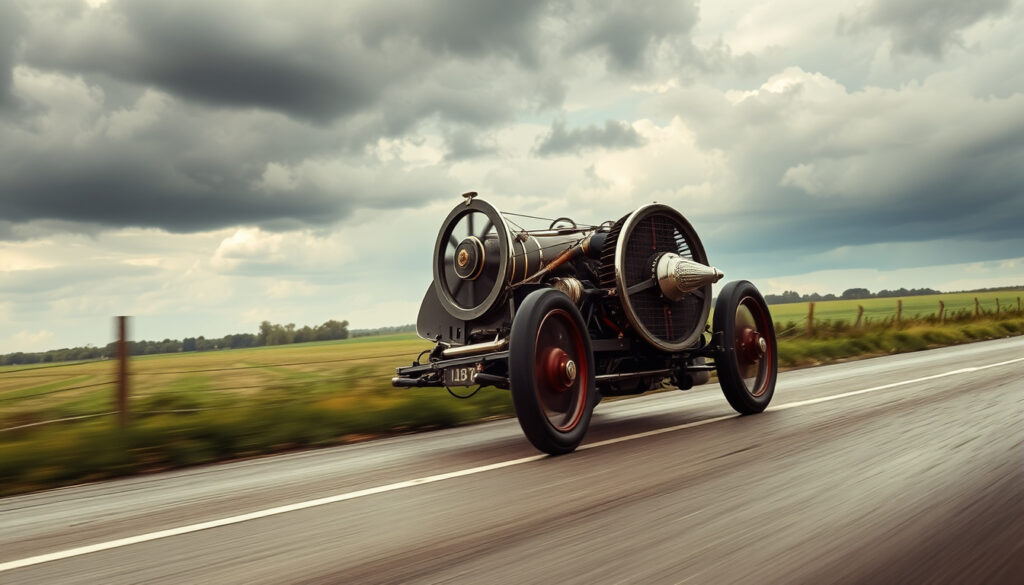
Chitty Chitty Bang Bang – True Story Behind the Flying Car
What Is Chitty Chitty Bang Bang?
Chitty Chitty Bang Bang stands as a beloved family film that has captured imaginations since its 1968 release. The story centers on a magical, sentient car that can fly, float, and drive itself, assisting a family of inventors through wild countryside adventures while battling bumbling villains. Adapted from a 1964 children’s book by Ian Fleming, the property has endured through multiple generations of storytelling, spawning a successful West End stage musical and maintaining its place in popular culture more than five decades later.
The original book emerged from an unlikely source. Fleming, best known for creating James Bond, wrote the story as a bedtime tale for his young son Caspar in 1962. He drew inspiration from his own childhood memories of a noisy racing car owned by Count Louis Zborowski. The book followed inventor Commander Caractacus Pott, his children Jeremy and Jemima, and their extraordinary automobile on adventures filled with invention, music, and narrow escapes from villains.
The 1968 film adaptation brought Fleming’s fantasy to life under director Ken Hughes, featuring Dick Van Dyke in the lead role of the eccentric inventor. The production brought together an array of talent, including screenplay contributions from Roald Dahl and musical compositions by the Sherman Brothers, who later created songs for Disney classics. The result was a film that balanced whimsy with genuine suspense, creating moments that have stayed with audiences for generations.
Book by Ian Fleming
Film directed by Ken Hughes, starring Dick Van Dyke
The Flying Car Invention
Stage Musical Adaptation
Key insights about Chitty Chitty Bang Bang:
- The film was nominated for Academy Awards in Best Original Score and Best Original Song, demonstrating its critical recognition beyond box office success.
- Roald Dahl’s screenplay introduced the character of the Child Catcher, a villain not present in Fleming’s original book.
- The Sherman Brothers composed 12 original songs for the film, several of which have become standards in musical theater repertoire.
- The production built eight different versions of the iconic car, including flying and submarine models used for various scenes.
- No verified deaths or serious incidents occurred during production, despite persistent myths about filming tragedies.
- The stage musical, which premiered in London’s West End in 2002, has since toured internationally and reached Broadway.
- The film has been available on various streaming platforms over the years, though current availability varies by region.
| Fact | Details |
|---|---|
| Author | Ian Fleming |
| Release Year (Film) | 1968 |
| Runtime | 144 minutes |
| Director | Ken Hughes |
| Lead Actor | Dick Van Dyke as Caractacus Potts |
| Screenwriter | Roald Dahl |
| Musical Composers | The Sherman Brothers |
| Car Designer | Ken Adam |
Is Chitty Chitty Bang Bang Based on a True Story?
The notion of Chitty Chitty Bang Bang being based on a true story contains both truth and fiction. The magical car in the film does not exist, nor does the fictional Baron Bomburst or the country of Vulgaria. However, the core inspiration for the story traces to an actual vehicle from the 1920s. Ian Fleming witnessed Count Louis Zborowski’s racing car, also named Chitty Bang Bang, during his youth in Kent. That real automobile, one of four built between 1921 and 1926, earned fame for its speed and distinctive noise, characteristics that clearly influenced Fleming’s fictional creation.
The Real Chitty Bang Bang Cars
Count Zborowski commissioned multiple racing cars bearing the Chitty Bang Bang name. Chitty I, II, III, and IV each possessed unique characteristics but shared the same boisterous personality that Fleming would later fictionalize. These vehicles participated in races across Europe during the early 1920s, establishing themselves as formidable machines on the circuit. The connection between Zborowski’s racing car and Fleming’s story represents genuine automotive history transformed through creative imagination.
The Film Car: Engineering Reality
The actual car used in filming was never a functioning magical vehicle. Production designers Ken Wallis and Tom Thorp constructed a modified 1929 Ford Model A as the base, covering it with a fiberglass body. Multiple versions served different purposes throughout the production. A prop-driven model featured working propellers and wings for aerial sequences. Another included submarine capabilities for water scenes. Engineers achieved the flying effects through a combination of scale models, crane shots, and helicopters towing a full-size version. Eight different cars were built to accommodate the various demands of the production, with several surviving in private collections and museums, including the Hollywood Cars Museum.
While Chitty Chitty Bang Bang itself is entirely fictional, the story draws genuine inspiration from Count Louis Zborowski’s racing cars from the 1920s. Ian Fleming saw these vehicles during his childhood, and their distinctive character—loud, fast, and memorable—became the foundation for the magical car in his bedtime story.
What Happened During Chitty Chitty Bang Bang Filming?
Production for the film spanned 1966 through 1968, primarily utilizing Pinewood Studios in England. Additional filming took place on location in Kent, where Fleming himself had encountered the original Chitty Bang Bang, and in Newquay for seaside sequences. The technical demands of depicting a flying car required considerable ingenuity, with aerial sequences employing scale models alongside a full-size flying version that helicopters towed during exterior shots.
Addressing Production Tragedy Myths
Despite persistent rumors about deaths or serious incidents during filming, no verified tragedies occurred during the production of Chitty Chitty Bang Bang. The child actors who portrayed Jeremy and Jemima—Adrian Hall and Heather French—were approximately seven and eight years old during filming. Available sources document no accidents, injuries, or deaths involving these young performers or other crew members. The persistent myth likely stems from the genuine fear the film inspired in young viewers, particularly during scenes involving the Child Catcher character.
Why the Film Scares Some Children
The Child Catcher, a character invented by screenwriter Roald Dahl and not appearing in Fleming’s original book, represents the primary source of childhood fright for viewers. Played by Robert Helpmann, the villain pursues the children through the countryside while disguised as a friendly attraction. The character’s creeping demeanor, bulbous costume, and persistent hunting of the protagonists created genuinely unsettling moments that many adults who watched as children still recall vividly. This psychological impact, combined with the general atmosphere of the villains’ pursuit, explains why the film occupies a particular place in family viewing history as both beloved and frightening.
Filming took place at Pinewood Studios and on location in Kent and Newquay between 1966 and 1968. The aerial flying sequences utilized scale models and full-size versions towed by helicopters. Eight different car replicas were constructed for various scenes, and no documented incidents involving child actors or crew members occurred during production.
Who Stars in Chitty Chitty Bang Bang and What Are Its Famous Songs?
The Cast
Dick Van Dyke led the ensemble as Caractacus Potts, the widowed inventor whose creations include the magical car. Van Dyke brought his signature comedic timing and physical comedy skills to the role, balancing the character’s eccentricity with genuine warmth. Sally Ann Howes portrayed Truly Scrumptious, the wealthy love interest whose romance with Potts develops throughout the film. Lionel Jeffries played Grandpa Potts, providing additional comic support. The child roles fell to Adrian Hall as Jeremy and Heather French as Jemima, the twins whose discovery of Chitty Chitty Bang Bang drives the plot forward.
The antagonist cast featured German actor Gert Fröbe as the child-hating Baron Bomburst, a role that showcased his talent for comedic villainy. Benny Hill appeared as the Toymaker, while Robert Helpmann delivered an unforgettable performance as the Child Catcher. The production drew talent from both British and international backgrounds, creating a cast that appealed to audiences across different markets.
The Musical Score
The Sherman Brothers, the songwriting team behind numerous Disney classics, composed the film’s twelve original songs. Their contributions include “You Two,” performed as the children meet Chitty, and “To Chitty Chitty Bang Bang,” which introduces the car itself. “Hushabye Mountain” provides a tender lullaby moment, while “Chu-Chu-Cha-Choo” celebrates the car’s remarkable abilities. The title song, “Chitty Chitty Bang Bang,” achieved particular fame through recordings by Mark Lindsay and Perry Como.
The musical numbers advance the plot while showcasing the film’s themes of imagination, family, and invention. The score earned Academy Award nominations for Best Original Score and Best Original Song, cementing the production’s place in musical cinema history. These songs later formed the foundation for the successful 2002 stage musical adaptation, which expanded and reimagined several numbers for theatrical presentation.
Timeline: From Book to Film to Stage Musical
The journey of Chitty Chitty Bang Bang from personal bedtime story to international phenomenon spans more than six decades.
- 1962: Ian Fleming writes the story as a bedtime tale for his son Caspar.
- 1964: The book is published in three volumes shortly after Fleming’s death from a heart attack.
- 1966-1968: Filming takes place at Pinewood Studios and on location in England.
- 1968: The film premieres, receiving critical attention and box office success.
- 2002: The stage musical adaptation opens in London’s West End.
- 2005: The musical transfers to Broadway.
- 2008 onward: Various international tours bring the musical to new audiences.
- 2011: Author Frank Cottrell-Boyce begins a sequel book series continuing the adventures.
What Is Confirmed Versus What Remains Unclear?
| Established Information | Information That Remains Unclear |
|---|---|
| The book was written in 1962 and published in 1964. | The specific details of Fleming’s childhood encounters with Zborowski’s car. |
| Ian Fleming died in 1964, shortly after the book was published. | Whether Fleming planned additional books before his death. |
| Eight car replicas were built for the film production. | The current locations of all eight original film cars. |
| No deaths or serious incidents occurred during filming. | Whether plans for a direct film sequel were ever seriously developed. |
| The 2002 stage musical premiered in London and later reached Broadway. | Future tour plans and production schedules beyond current confirmed dates. |
| Streaming availability varies by region and changes over time. | Whether new film adaptations are currently in development. |
Why Does Chitty Chitty Bang Bang Hold Cultural Significance?
The enduring appeal of Chitty Chitty Bang Bang reflects several cultural currents that converged during the late 1960s. The film represented a particular moment in family entertainment when studios believed children’s films could appeal to adults as well, combining sophisticated songwriting with slapstick comedy and genuine adventure. The collaboration between Fleming’s literary imagination, Dahl’s darker comedic sensibilities, and the Sherman Brothers’ melodic gifts created something that transcended typical children’s programming.
The magical car itself embodies themes of freedom, imagination, and the democratization of technology. Rather than relying on adult authority figures to solve problems, the children in the story actively participate in their own rescue, working together with their father and Chitty to overcome villains. This emphasis on family cooperation and child agency distinguished the film from more passive fairy tale adaptations of its era.
The stage musical adaptation reinforced the property’s staying power, introducing the story to new generations while providing theatrical enhancements that expanded the original film’s musical numbers. Productions continue to tour internationally, and the film itself remains a fixture of holiday programming and family movie nights decades after its initial release.
“Ian Fleming wrote Chitty Chitty Bang Bang as a gift for his son Caspar, never anticipating the global impact the story would eventually achieve. The transformation from bedtime story to international phenomenon demonstrates how personal creative acts can resonate far beyond their original context.”
— Literary analysis from Pan Macmillan publishing history
Summary
Chitty Chitty Bang Bang began as a father’s bedtime story and evolved into a cultural phenomenon spanning books, films, and stage productions. The 1968 musical film brought Ian Fleming’s fantasy to life through Dick Van Dyke’s charismatic performance, Roald Dahl’s screenplay additions, and the Sherman Brothers’ memorable songs. While the magical flying car itself exists only in fiction, the story draws genuine inspiration from Count Louis Zborowski’s racing cars of the 1920s, which Fleming encountered during his childhood. The production built eight functional replicas to accommodate various scenes, and no verified incidents occurred during filming despite persistent myths. The property continues through the successful stage musical and sequel book series, maintaining its place as a beloved example of family entertainment that balances wonder, humor, and genuine emotional resonance.
For family adventures that have stood the test of time, Chitty Chitty Bang Bang remains a touchstone of imaginative storytelling that appeals across generations.
Frequently Asked Questions
Why is Chitty Chitty Bang Bang considered scary for children?
The Child Catcher character, created by Roald Dahl for the screenplay, represents the primary source of fear. His pursuit of the children through Vulgaria, combined with his unsettling disguise and persistent hunting, creates genuinely frightening moments that have stayed with viewers for decades.
Is there a Chitty Chitty Bang Bang sequel?
No direct film sequel exists, though author Frank Cottrell-Boyce began a sequel book series in 2011 that continues the adventures of the Pott family and their magical car.
What happened to the child actors from the film?
Available sources do not provide detailed information about the subsequent lives of Adrian Hall and Heather French. The documented record shows they performed their roles without reported incidents during production.
Where can I watch Chitty Chitty Bang Bang today?
Streaming availability varies by region and changes over time. The film has historically appeared on platforms like Netflix and Prime Video, but current availability should be verified through local streaming services.
How many cars were built for the film?
Eight different car replicas were constructed for the production, including versions designed for flying sequences, water scenes, and various other requirements throughout the film.
Is the Chitty Chitty Bang Bang car real?
The magical car capable of flying and floating does not exist. However, the film used real 1929 Ford Model A vehicles modified with fiberglass bodies and various mechanical additions to achieve the different effects required for each scene.
More related posts
 Cherry Cola Hair Color Guide: Best Shades for Every Skin Tone
 When Is the Toy Show? 2025 Date & Viewing Guide
 Best Bars Not in Reykjavik, Iceland – Local Guide
 FC Barcelona vs Real Madrid: El Clásico Head-to-Head & Results
 Saudi Pro League Stats 2025-26: Table, Top Scorers
 Old Money Style Men: Wardrobe Guide, 3-3-3 Rule & Brands
 Aston Villa vs PSG Lineups: Confirmed Teams UCL 2025
 West Ham vs Sunderland AFC Stats: Head-to-Head History
