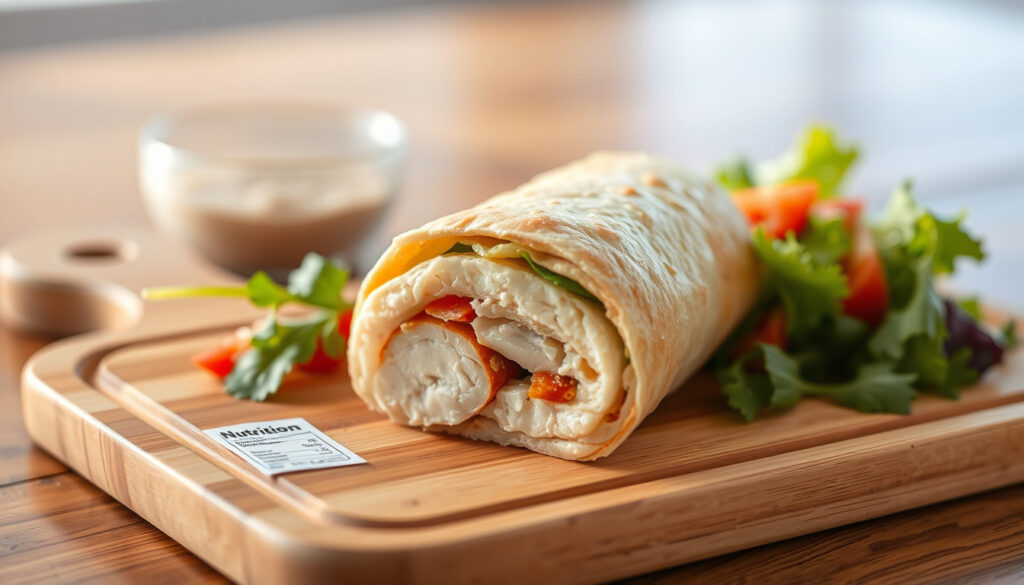
How Many Calories in a Chicken Fillet Roll? (2025 Guide)
If you’ve ever stared at a deli counter wondering just how many calories are packed into that golden chicken fillet roll, you’re not alone. The answer varies wildly depending on what goes inside, but a typical roll can land anywhere from 600 to 800 calories. Let’s break down the numbers component by component, so you know exactly what you’re eating — and how to make smarter choices.
Average calories in a standard chicken fillet roll: 600–800 kcal ·
Calories from chicken fillet alone: 200–300 kcal ·
Calories in a KFC chicken fillet roll: 470 kcal ·
Calories in a typical deli roll with spread: 700–1000 kcal ·
Protein in a chicken fillet roll: 28–40 g ·
Fat in a chicken fillet roll: 25–40 g
Quick snapshot
- KFC chicken fillet roll: 470 kcal (Nutracheck calorie database)
- Fitatu entry: 680 kcal per 300 g (Fitatu nutrition tracking app)
- Arise App with sauces: 1130 kcal per 400 g (Arise App food database)
- Exact calorie count depends on bread type, sauce amount, and whether the fillet is grilled or fried.
- No official government data exists for generic deli rolls.
- Calorie contribution of specific sauces used by various delis is unknown.
- Focus Ireland reports a standard crispy roll at 422 kcal (Focus Ireland charity guide)
- Deli rolls with extras can exceed 1000 kcal (boards.ie discussion)
- Grilled alternatives drop to 90 kcal per 83 g portion (Focus Ireland charity guide)
- Opt for a grilled fillet, skip butter, and use light sauce to cut 200–400 kcal.
- Pair with a side salad instead of chips to keep the meal under 700 kcal.
- Check deli nutrition charts where available.
| Component | Calories (kcal) |
|---|---|
| Average calories (whole roll) | 600–800 |
| Calories in chicken fillet alone | 200–300 |
| Calories in roll (bread) | 200–250 |
| Calories in butter | 100–150 |
| Calories in mayo | 100–200 |
| Protein typical | 28–40 g |
How many calories are in a chicken fillet roll?
Average calorie count
On average, a chicken fillet roll from an Irish deli or similar outlet lands between 600 and 800 calories. This estimate is based on a standard combination: a bread roll (about 200–250 kcal), a breaded and fried chicken fillet (200–300 kcal), and a spread of butter (100–150 kcal). A boards.ie discussion user put it succinctly: “fillet by itself would be 200-300kcal, 700 should be a good guess.”
Calorie range across common varieties
The range widens when you consider different preparations. The Nutracheck (UK calorie database) lists the KFC chicken fillet roll at 470 kcal with 29 g protein, 78 g carbs, and 25 g fat. At the other end, a Arise App food database entry for a chicken fillet roll with sauces shows 1130 kcal per 400 g serving, with 51 g fat and 42 g protein. The Focus Ireland charity guide estimates a standard crispy roll at 422 kcal, while a deli roll with extras can surpass 1000 kcal.
Impact of preparation method
Frying the chicken fillet adds significant calories due to oil absorption. A typical fried fillet alone may contain 250–400 kcal, whereas a Focus Ireland charity guide notes that grilled alternatives are around 90 kcal per 83 g portion. Switching to a grilled fillet can shave 100–200 kcal off the final count, making a substantial difference.
What is in an Irish chicken fillet roll?
Standard components
A classic Irish chicken fillet roll consists of a bread roll (often a baguette or a batch loaf), a breaded and deep-fried chicken fillet, and a spread of butter. Optional additions include lettuce, mayonnaise, cheese, or other sauces. The roll itself typically provides about 200–250 kcal, as noted in a boards.ie discussion where a user estimated a 60 g bread roll at 168 kcal.
Common variations
Some delis offer a “spice bag” style roll, while others use a ciabatta or wrap. The chicken fillet is almost always deep-fried, though a few outlets now offer grilled options. The Focus Ireland charity guide reports that a standard crispy chicken fillet roll provides approximately 22 g protein, 38 g carbohydrates, and 20 g fat.
Nutritional composition
Beyond calories, the macronutrient profile matters. The Fitatu nutrition tracking app entry for a chicken fillet roll lists 12.5 g protein, 7.77 g fat, and 26.43 g carbohydrates per 100 g. A typical roll (300 g) would therefore provide about 37.5 g protein, 23 g fat, and 79 g carbs. The Nutracheck calorie database shows the KFC version at 29 g protein, 25 g fat, and 78 g carbs per serving.
The protein content (28–40 g per roll) makes it a decent post-workout option, but the fat and carb load from the fried coating and bread can offset the benefits. Grilled versions are the smarter choice for weight management.
How many calories are in a chicken fillet roll with butter?
Butter contribution
A generous spread of butter adds roughly 100–150 kcal to the roll. This is based on a typical 10–15 g serving of butter, which provides about 75–110 kcal per 10 g. The boards.ie discussion participants often include butter in their estimates, pushing the total toward the 700–1000 kcal range.
Spread alternatives
Switching to a low-fat spread can cut the calorie contribution to 50–70 kcal. Some delis offer a “no butter” option, which saves a full 100+ kcal. The difference is small but meaningful when repeated daily.
Calorie impact of butter vs. no butter
Without butter, a standard chicken fillet roll drops from around 700 kcal to 600 kcal. That’s a 15% reduction. For someone eating a roll for lunch daily, skipping butter saves about 500 kcal per week — enough to lead to a small weight loss over time.
How many calories are in a fried chicken fillet roll?
Frying method and oil absorption
Deep-frying the chicken fillet adds significant calories because the breading absorbs oil. A fried fillet can contain 250–400 kcal, compared to 90–120 kcal for a grilled fillet of the same size. The Fried Chicken Nutrition UK calculator lists the KFC Chicken Fillet Roll (ROI only) at 662 kcal per serving with 28.6 g protein, and the Zinger Fillet Roll at 751 kcal with 23 g protein.
Comparison with grilled or baked
A grilled chicken fillet roll can be significantly lower in calories. The Focus Ireland charity guide notes that a grilled alternative provides about 90 kcal per 83 g portion. That’s a 60–70% reduction in calories from the chicken component alone.
Calorie estimate for a fried chicken fillet roll
Taking all factors into account, a fried chicken fillet roll with butter and no other extras typically lands between 700 and 900 kcal. The Eat This Much meal planning app lists a rolled chicken serving at 445 kcal for 218 g, with 40% protein, 56% fat, and 4% carbs — a different format but illustrative of the calorie density.
Fried chicken fillet rolls are calorie-dense because the breading soaks up oil like a sponge. A single roll can contain more than half the daily recommended fat intake for an average adult, according to the UHH Hospitals health information portal which lists a light meat chicken roll at 87.78 kcal per serving — a stark contrast to the fried version.
How many calories are in a chicken fillet roll with mayo and lettuce?
Mayo and lettuce impact
Mayonnaise adds a hefty 100–200 kcal per serving, depending on how generous the spread is. Lettuce, on the other hand, adds negligible calories (less than 5 kcal for a few leaves). The Arise App food database entry for a roll with sauces shows 1130 kcal total, with 51 g of fat — much of that from the sauces.
Sauce alternatives
Switching to a lighter sauce like mustard, ketchup, or a low-fat dressing can cut 50–150 kcal. The Nutribit food tracker lists a chicken roll serving of 25 g at 41.8 kcal, illustrating how small portions of dressed chicken can be relatively low in calories.
Total calorie estimate
A chicken fillet roll with mayo and lettuce typically falls in the 700–950 kcal range. Without mayo, it drops to 600–750 kcal. The Instagram nutrition creator claims a shop-bought roll is 816 calories with 32 g protein, while a lighter version has 467 calories with 36 g protein — a difference of 349 calories, largely from sauce and bread choices.
Is chicken roll healthy for weight loss?
Nutritional pros and cons
The chicken fillet roll is calorie-dense, but it also provides a solid amount of protein (28–40 g), which can aid satiety. The Fitatu nutrition tracking app entry shows 37.5 g protein per 300 g roll. However, the fat and carbohydrate content from the fried coating and bread can push the total calorie count well above what a typical weight-loss meal should contain.
Portion control
A single roll can provide 600–1000 kcal, which is 30–50% of the daily calorie needs for an average adult. The Instagram nutrition creator claims the average chicken fillet roll is 1,000+ calories and presents a 660-calorie version with 67 g protein, showing that portion size and ingredient swaps matter enormously.
How to make it healthier
To include a chicken fillet roll in a weight-loss diet: choose a grilled fillet instead of fried, skip the butter, use a light sauce or mustard, and pick a smaller bread roll. Limit portions to half a roll if needed, and pair with a side salad or vegetables. The Focus Ireland charity guide suggests that grilled alternatives can reduce the calorie count dramatically.
A chicken fillet roll can be part of a weight-loss plan if you make smart swaps. Grilled fillet, no butter, and a light sauce turn a 800-kcal bomb into a 500-kcal meal with 35 g of protein — a decent option for a busy lunch.
Comparison: Chicken fillet roll types at a glance
The gap between a fast-food roll and a homemade version shows that preparation method matters more than the chicken itself.
| Type | Calories | Protein (g) | Fat (g) | Carbs (g) |
|---|---|---|---|---|
| KFC Chicken Fillet Roll | 470 | 29 | 25 | 78 |
| Deli roll (fried, butter, no sauce) | 700–800 | 28–37 | 23–30 | 60–80 |
| Homemade grilled fillet roll (no butter, light sauce) | 450–550 | 35–40 | 10–15 | 40–50 |
Component breakdown: Where do the calories come from?
The chicken fillet and bread form the base, but spreads and sauces are the wildcards that swing the total.
| Component | Calories (kcal) | Notes |
|---|---|---|
| Bread roll (baguette/batch) | 200–250 | 60–80 g, mostly carbs |
| Chicken fillet (fried, breaded) | 250–400 | Oil absorption adds 50–100 kcal |
| Chicken fillet (grilled) | 90–120 | 83 g portion, lean protein |
| Butter (10–15 g) | 100–150 | Can be omitted |
| Mayonnaise (15–30 g) | 100–200 | Major calorie contributor |
| Lettuce | 1–5 | Negligible |
| Cheese (1 slice) | 80–120 | Optional, adds protein |
How to make a lower-calorie chicken fillet roll (step-by-step)
- Choose the fillet wisely: Opt for a grilled or baked chicken fillet instead of fried. This saves 100–200 kcal immediately.
- Pick a smaller bread roll: A 60 g roll instead of an 80 g roll saves about 50–70 kcal. Check the deli for smaller options.
- Skip the butter: Butter adds 100–150 kcal. Ask for the roll without any spread, or use a low-fat spread (50–70 kcal).
- Choose a light sauce: Mustard, ketchup, or a low-fat dressing add only 10–30 kcal, compared to 100–200 kcal for mayo.
- Add vegetables for bulk: Lettuce, tomato, cucumber, and peppers add negligible calories but increase volume and fiber.
- Watch the extras: Cheese, bacon, or extra sauces can add 100–300 kcal. If you want cheese, go for a reduced-fat version and keep it to one slice.
- Eat half at a time: If the roll is large, consider eating half and saving the rest for later, or share with a friend.
The implication: you can slash 200–400 kcal with these swaps, turning a 800-kcal meal into a 500-kcal one.
Clarity: What we know and what we don’t
Confirmed facts
- KFC chicken fillet roll has 470 kcal per official nutrition info (Nutracheck calorie database).
- Fitatu catalog entry for a 300 g chicken fillet roll lists 680 kcal (Fitatu nutrition tracking app).
- Arise App entry with sauces shows 1130 kcal per 400 g (Arise App food database).
- Average deli roll is around 600–800 calories based on common ingredients.
- Protein content typically ranges from 28 to 40 g per roll.
What’s unclear
- Exact calorie count for a specific deli’s roll without knowing ingredient quantities.
- Impact of different bread types (baguette vs. batch vs. wrap) on calorie count.
- Calorie contribution of specific sauces used by various delis (many are proprietary).
- Whether the “grilled” option at a deli is truly grilled or just a marketing term for a lighter breading.
Quotes from the conversation
“Fillet by itself would be 200-300kcal, 700 should be a good guess.”
— Reddit user r/ireland, boards.ie discussion
Nutrition Facts: 707 Calories, 40g Fat, 60g Carbs, 28g Protein.
— Serious Eats cooking site, Serious Eats recipe
“Average hot chicken roll is a whopping 1000 calories.”
— Independent.ie Irish news outlet, Independent.ie
The calorie count of a chicken fillet roll is not a fixed number — it is a range shaped by choices that are entirely within your control. For anyone watching their weight, the choice is clear: opt for a grilled fillet, skip the butter, and go easy on the sauce, or face a meal that can rival a full day’s calorie allowance. The data shows that a few smart swaps can turn a 1000-kcal indulgence into a 500-kcal meal that still delivers on protein and taste.
For anyone tracking macros, detailed chicken fillet roll calorie breakdown provides a useful component-by-component look at what actually goes into the roll.
Frequently asked questions
How many calories are in a chicken fillet roll from a deli?
A typical deli chicken fillet roll ranges from 600 to 800 calories, but with extras like cheese or mayo it can reach 1000 calories or more.
What is the calorie count of a chicken fillet roll with cheese?
Adding a slice of cheese adds about 80–120 calories, bringing the total to roughly 700–900 calories depending on other ingredients.
Is a chicken fillet roll better than a burger for weight loss?
It depends on the preparation. A grilled chicken fillet roll can be lower in calories than a standard beef burger, but a fried fillet roll with mayo may be similar or higher. Compare options before choosing.
How can I reduce calories in a chicken fillet roll?
Choose a grilled fillet, skip the butter, use a light sauce (mustard or ketchup), and pick a smaller bread roll. These swaps can cut 200–400 calories.
Are chicken fillet rolls high in protein?
Yes, a typical roll provides 28–40 grams of protein, making it a good source of protein for muscle repair and satiety.
What is a healthier alternative to a chicken fillet roll?
A grilled chicken wrap with lettuce, tomato, and a light dressing is a healthier alternative, often providing fewer calories and less fat.
More related posts
 How Old Is Donald Trump? Age, Birthday, and Key Facts (2026)
 Technological University of the Shannon: Rankings & Facts
 Bank of Ireland Share Chat – Price, News and Investor Forums
 5 Letter Words for Wordle: Best Starting Words & Strategy
 How to Clean Shower Head with Vinegar: Safe Methods & Tips
 How to Apply for Parent’s Leave in Ireland in 2026 (Form HR108T)
 Australian Open 2026 Schedule: Dates, TV & Withdrawals
 Canelo vs Crawford UK Time: Ring Walk, Date & How to Watch
