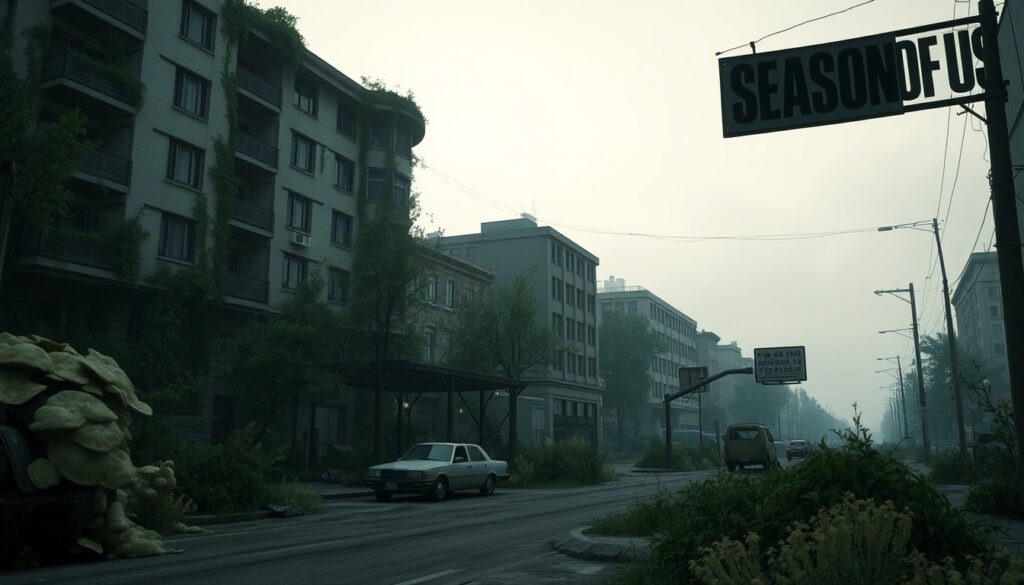
The Last of Us Season 2: 7 Episodes, Controversy & Season 3
There’s something almost poetic about a story that refuses to be rushed, even when the world is watching. When HBO announced that The Last of Us Season 2 would consist of just seven episodes—shorter than its acclaimed predecessor—fans immediately braced for a condensed adaptation of the beloved 2020 video game The Last of Us Part II. But what unfolded instead was a deliberate, controversial, and ultimately record-breaking season that sparked more questions than answers.
Key Facts at a Glance
- Premiere date: April 13, 2025
- Finale date: May 25, 2025
- Source material: The Last of Us Part II (2020 video game)
- Format: Partial adaptation of the game’s story
- Rotten Tomatoes: 87% (critics)
- Audience response: Polarized, with record engagement
Why Seven Episodes Instead of Nine?
The decision to shorten Season 2 was not a matter of budget or production constraints. Showrunners Craig Mazin and Neil Druckmann explained that a shorter season was a deliberate creative choice to avoid compressing the entirety of The Last of Us Part II‘s sprawling narrative into a single season. The game’s story spans multiple timelines, perspectives, and emotional arcs that would have been compromised by a rushed adaptation.
The Direct (entertainment news outlet) noted that Season 2 told only part of the game’s story, which created an unusual structure where the season functioned as a mid-point rather than a complete arc. This approach allowed the creative team to preserve key story beats while expanding certain character moments for television.
Timeline of Key Events
| Date | Event | Significance |
|---|---|---|
| 2025-04-13 | Season 2 premiere on HBO and Max | Opened the adaptation of Part II |
| 2025-04 | Season 3 renewal announced by HBO | Confirmed before Season 2 even completed airing |
| 2025-05-25 | Season 2 finale | Left the story mid-arc, with major threads unresolved |
How Weekly Releases Shaped the Controversy
HBO’s decision to release episodes weekly rather than all at once amplified the debate around the season’s length. This steady cadence kept the conversation alive but also compressed the window for fan theories and speculation between episodes. With only seven installments, there was less room for the slow-burn theorizing that defined Season 1’s nine-episode run.
Verified Claims and Rumors
- Confirmed: Season 3 was renewed before Season 2 aired, per Warner Bros. Discovery.
- Confirmed: The season covered only part of the game’s story, as reported by The Direct.
- Unconfirmed: Claims that filming for Season 3 had already begun by the Season 2 finale—rumors only, per The Last of Us TV.
When a show is this beloved, every rumor carries weight, and the line between “in development” and “confirmed” can blur. HBO’s silence on certain details creates anticipation, but it also allows misinformation to fester.
The Controversy: Adaptation or Betrayal?
The shortened season naturally reignited debates about fidelity to the source material. Episode count debates, pacing complaints, and even discussions about how much of the game’s violence would translate to screen all entered the discourse. Yet the season’s Rotten Tomatoes score of 87% suggests critics largely approved of the approach.
What’s Next for Season 3
HBO confirmed Season 3 ahead of Season 2’s premiere, signaling confidence in the creative direction. What’s clear is that Season 3 will need to resolve several threads left dangling from the Season 2 finale—a task made more complex by the deliberate pacing of the previous season.
The coming months will bring more official details, but one thing is certain: HBO has positioned The Last of Us as a flagship series worthy of patient storytelling—even if that patience sometimes frustrates audiences accustomed to faster payoffs.
en.wikipedia.org, people.com, yahoo.com, en.wikipedia.org, ign.com, usmagazine.com, tribune.com.pk
Frequently Asked Questions
Why is Season 2 only 7 episodes?
The showrunners deliberately chose a shorter season to avoid rushing the source material’s complex narrative, as reported by The Direct. This allowed the story to be split across multiple seasons without sacrificing emotional depth.
When will Season 3 air?
As of this writing, HBO has not announced the episode count for Season 3. The renewal was confirmed, but format details remain undisclosed, per Warner Bros. Discovery.
Is the show based entirely on The Last of Us Part II?
Season 2 adapts part of the game’s story, not all of it. The creative team chose to split the adaptation, which means some storylines from the game are reserved for future seasons.
What Rotten Tomatoes score did Season 2 receive?
The season received an 87% critics’ score on Rotten Tomatoes, reflecting generally positive critical reception despite audience debate over pacing.
When did Season 2 premiere and end?
Season 2 aired from April 13, 2025, to May 25, 2025, per Wikipedia.
Why didn’t the show cover the full game story?
The narrative scope of The Last of Us Part II is vast, spanning multiple timelines and character perspectives. The showrunners determined that a single season would require unacceptable cuts, so they opted for a multi-season approach.
The Last of Us Part II: A Retrospective
For newcomers curious about the source material, the game’s 2020 release set the stage for the show’s second season. Its complex narrative about revenge and consequence remains one of the most debated stories in gaming.
Industry Context: Early Renewals and Multi-Season Planning
HBO’s early renewal of The Last of Us Season 3—announced before Season 2 even premiered—reflects a broader industry shift toward pre-committing to multi-season arcs for flagship properties, a move documented by Deadline. This strategy reduces production uncertainty but places greater pressure on each season to justify the ongoing commitment.
This split mirrors broader debates in entertainment about fidelity versus innovation, as covered by The Direct. The outcome of this experiment will likely influence how other studios approach adaptations of sprawling game narratives in the coming years.
More related posts
 Crystal Palace vs Burnley: Head-to-Head, Prediction, and How to Watch
 Free Kpop Demon Hunters Coloring Pages: Rumi, Zoey & More
 Charlotte Tilbury Black Friday 2025: Deals & Discounts
 Golf del Sur Tenerife: What to Know (Beach, Taxi, Shopping)
 Couch to 5K Plan: How to Start Running 5K in 9 Weeks
 Everton vs Manchester United Stats: History and Fan Facts
 What to Do When Your Bored – 100+ Ideas for Home and Friends
 Frances de la Tour: Biography, Height, Current Projects & Awards
